
What Is Corrective Jaw Surgery?
Corrective jaw surgery, or orthognathic surgery, corrects misaligned jaws to improve both facial appearance and functionality. While orthodontics straightens teeth, jaw surgery repositions the jaw, addressing issues such as difficulty chewing, chronic jaw pain, sleep apnea, and improper bite alignment.
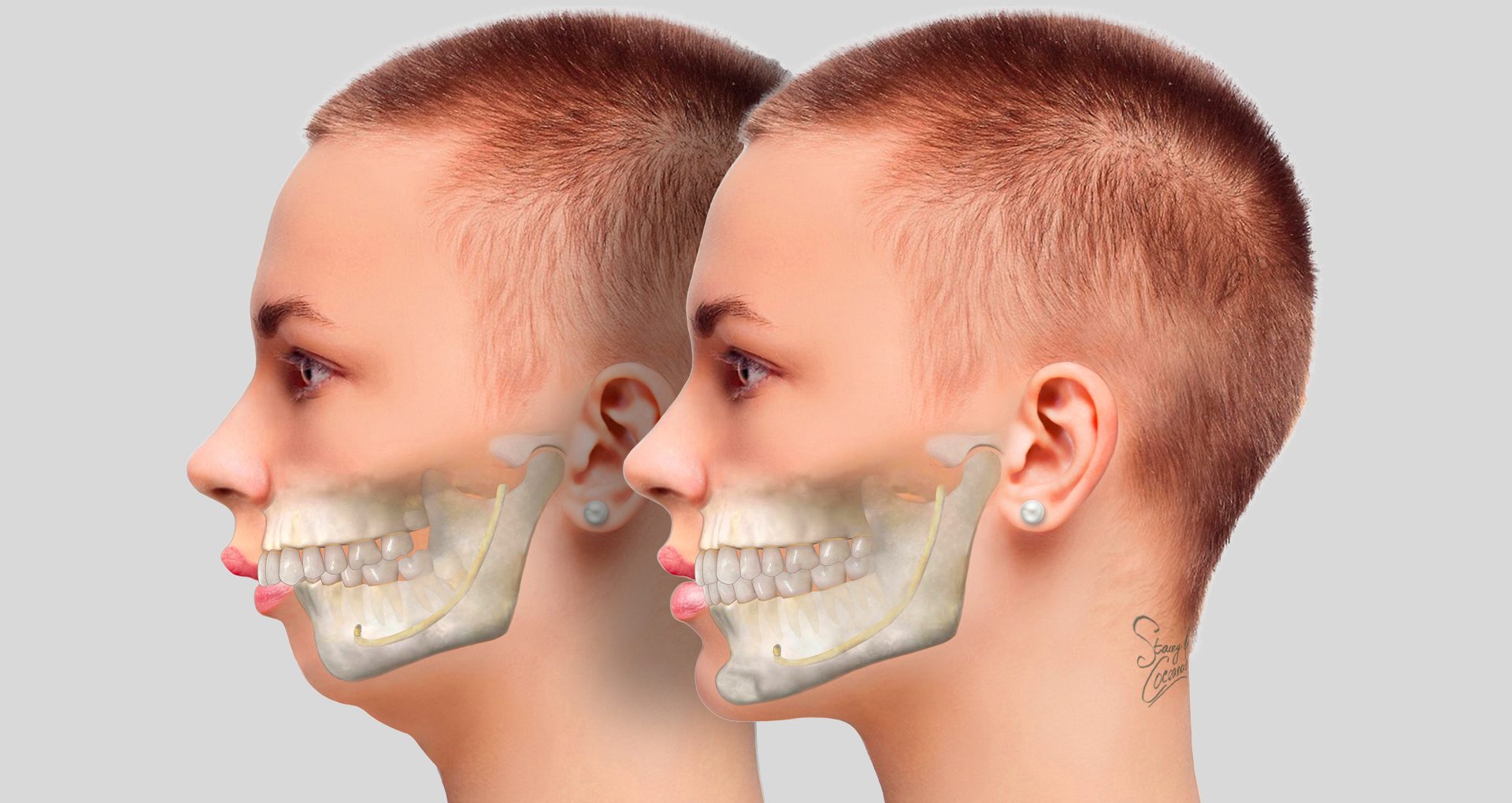
Difference Between Upper & Lower Jaw Surgery
Lower jaw surgery, known as a bilateral sagittal split osteotomy, repositions the lower jaw by sliding the bone forward or backward. Upper jaw surgery moves the jaw up, down, forward, or backward. Both surgeries use screws and plates to secure the jaw in its new position, sometimes requiring reshaping or bone grafts.
How to Prepare for Orthognathic Surgery
Dr. Gökhan Yılmaz recommends starting with a consultation to assess candidacy for surgery, followed by orthodontic treatment, such as Invisalign, to prepare the teeth. After 6-24 months of orthodontic alignment, the surgery is performed under general anesthesia in a hospital. Post-surgery, patients typically need 4-6 months of continued orthodontic treatment.
Why Is Jaw Surgery Performed?
Jaw surgery addresses improper bites, facial imbalances, and conditions like sleep apnea. Growth discrepancies between the upper and lower jaws can affect chewing, speaking, and appearance. Birth defects, trauma, and developmental issues may also require corrective surgery.
Conditions That May Require Jaw Surgery
Common conditions treated with jaw surgery include:
- TMJ pain
- Open bite
- Protruding or receding jaw
- Gummy smile
- Sleep apnea
A consultation and X-rays will determine the best treatment approach for each patient.
What to Expect During Surgery
The surgery is performed under general anesthesia, with incisions made inside the mouth to avoid visible scars. Titanium plates and screws secure the jaw in its new position, and additional bone may be added if needed. Swelling and discomfort are common during the first few weeks post-surgery.
Recovery and Follow-Up
Recovery involves 5-6 months of healing, with liquid and soft foods recommended for the first 12 weeks. Patients typically experience 20-30% improvement by the second week and 70-80% by the third. Regular follow-up appointments and X-rays ensure proper healing.
Risks of Jaw Surgery
Potential risks include temporary numbness in the jaw or face, which usually subsides within months. Rarely, permanent numbness or bone healing complications may occur.


